The System Development Life Cycle (SDLC) provides a well-structured framework that gives an idea, of how to build a system. It consists of steps as follows- Plan, Analyze, Design, Develop, Implement and Maintain. We will delve into the significance of each stage, emphasizing the critical role played by System Design in the overall process. System development life cycle is very much important for an organization who wants to develop and implement a system from scratch. It provides a standard and guide line to develop a system in structure way and it meets the client’s requirements. The maintenance phase ensure that the system is functional, improving the software/hardware, and updating the system.
DevOps Engineer and Application Life Cycle by Leonardo Loch ... - Medium
DevOps Engineer and Application Life Cycle by Leonardo Loch ....
Posted: Tue, 10 Oct 2023 22:05:32 GMT [source]
However, regardless of the model you pick, there are a lot of tools and solutions, like Stackify’s Retrace tool, to assist you every step of the way. Developers create a version very quickly and for relatively little cost, then test and improve it through rapid and successive system development life cycle stages versions. One big disadvantage here is that it can eat up resources fast if left unchecked. The Agile SDLC model separates the product into cycles and delivers a working product very quickly. Testing of each release feeds back info that’s incorporated into the next version.
Phases Of System Development Life Cycle
Now it must be tested to make sure that there aren’t any bugs and that the end-user experience will not negatively be affected at any point. Developers will follow any coding guidelines as defined by the organization and utilize different tools such as compilers, debuggers, and interpreters. When teams have clarity into the work getting done, there’s no telling how much more they can accomplish in the same amount of time.
However, many organizations choose to move the product through different deployment environments such as a testing or staging environment. Before releasing the mockups into final production, you'll need to test it to ensure it is free of bugs and errors. You'll also need to manage how the system will integrate into existing systems, software, and processes. Once you've got your design plans in front of you, it's time for wireframing and mockups.
Rapid Application Development (RAD)
Furthermore, developers are responsible for implementing any changes that the software might need after deployment. The information system will be integrated into its environment and eventually installed. After passing this stage, the software is theoretically ready for market and may be provided to any end-users. In systems design, functions and operations are described in detail, including screen layouts, business rules, process diagrams, and other documentation. Modular design reduces complexity and allows the outputs to describe the system as a collection of subsystems.
Audits shall be performed internally within IT to monitor development progress. This generic SDLC model, designed by the National Computing Center of the United Kingdom in the late 1960s, was described in 1971 by A. It helps to define the problem and scope of any existing systems, as well as determine the objectives for their new systems.
Benefits of SDLC
While the process timeline will vary from project to project, the SDLC generally follows the seven stages outlined below. Design documents typically include functional hierarchy diagrams, screen layouts, business rules, process diagrams, pseudo-code, and a complete data model with a data dictionary. These elements describe the system in sufficient detail that developers and engineers can develop and deliver the system with minimal additional input. System assessments are conducted in order to correct deficiencies and adapt the system for continued improvement.
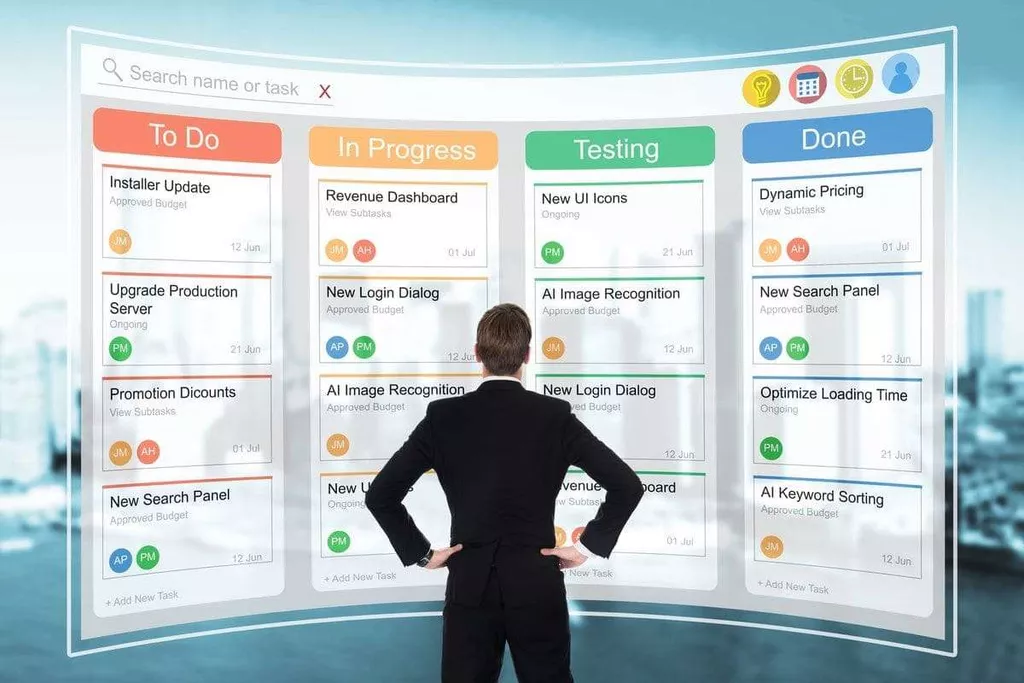
DevOps professionals also work side-by-side with developers and testers to help monitor the end product across its cloud infrastructure, scalability, and load. This unique role frequently moves several times throughout SDLC phases, formulating requirements for the system along the way for the next development cycle, and upholding SDLC standards. The System Analyst works on high-level system reviews to assess if systems and infrastructures operate effectively and efficiently. System analysts research problems, find or develop solutions, recommend a course of action, communicate and coordinate with stakeholders, choose resources, and design action plans to reach a goal and meet predefined requirements. They are experts at studying a system, process, or procedure to come up with the best solutions.
Learn software development and SDLC from experts
It ensures that the software is secure from initial design to final delivery and can withstand any potential threat. During DevSecOps, the team undergoes security assurance activities such as code review, architecture analysis, penetration testing, and automated detection, which are integrated into IDEs, code repositories, and build servers. However, unlike traditional software development that addresses security as a separate stage, SDLC addresses security every step of the way through DevSecOps practices. ” This phase of the SDLC starts by turning the software specifications into a design plan called the Design Specification. All stakeholders then review this plan and offer feedback and suggestions. It’s crucial to have a plan for collecting and incorporating stakeholder input into this document.
This keeps everyone using the same toolset across the entire development lifecycle. Becoming a software developer requires learning the key skills, programming languages, and concepts needed to build software products. These days, many people are successfully pivoting or switching their careers from education, https://www.globalcloudteam.com/ the service industry, and more to coding and development. They may complete bootcamps or earn professional certificates online such as IBM's Full Stack Cloud Developer. Each stage in the SDLC has its own set of activities that need to be performed by the team members involved in the development project.
SDLC MODELS
Software developers will monitor the overall system and add the latest security technologies to protect from cyber security threats. There are different types of programming languages (such as C++, PHP, Java and .Net) and databases (such as MySQL, SQL Server and Oracle). Software developer will choose the right programming language and database according to software requirement specification. After detailed testing, the conclusive product is released in phases as per the organization’s strategy.
- This includes all the specifications for software, hardware, and network requirements for the system they plan to build.
- In this stage, all the requirements for the target software are specified.
- A system development life cycle is a conceptual model that delineates the stages involved in developing and implementing a system.
- Periodic review of system function should occur to ensure that the system performs as designed and system updates are identified.
- Testing of each release feeds back info that’s incorporated into the next version.
- By its core principles, we mean adaptability, customer involvement, lean development, teamwork, time, sustainability, and testing, with its two primary elements being teamwork and time (faster delivery).
Once the system is deployed within the agency, ongoing operations and maintenance will occur that are led by agency IT staff along program leads. Periodic review of system function should occur to ensure that the system performs as designed and system updates are identified. System engineers are involved in this stage of SDLC who will prepare the hosting environment and install the system in server. They will take necessary action to secure the system in order to protect from cyber-threats or unauthorized access.
SDLC Phase 9: Disposal
This may involve training users, deploying hardware, and loading information from the prior system. Once a system has reached the point at which formal system operations is to end, a set of steps should be undertaken to move data to a new system, dispose of outdated equipment, and cancel service contracts. In some agencies, contracts may be managed centrally and the need to cancel the contract may be overlooked, resulting in unneeded expense. At times, a legacy system must be maintained for a period as a new system is being fully implemented. If an organization has an old system so, they can migrate or moving the data in the new develop system. When data migration is complete from old to new system then end user can start for use the new system.